
J.K. Burton1,2, M. Drummond3,4, D. Henderson5, T.J. Quinn1
1. Academic Geriatric Medicine, School of Cardiovascular and Metabolic Health, University of Glasgow, Scotland; 2. Medicine for the Older Adult, University Hospital Hairmyres, NHS Lanarkshire, Scotland; 3. Enabling Research in Care Homes (ENRICH) Scotland, NHS Research Scotland, Scotland; 4. School of Medicine, Dentistry & Nursing, University of Glasgow, Scotland; 5. Usher Institute, University of Edinburgh, Scotland
Corresponding Author: Dr Jennifer K Burton, Academic Geriatric Medicine, School of Cardiovascular and Metabolic Health, College of Medical, Veterinary and Life Sciences, University of Glasgow, Room 2.42 New Lister Building, Glasgow Royal Infirmary,10 Alexandra Parade, Glasgow, G31 2ER, Scotland, jenni.burton@glasgow.ac.uk
Abstract
BACKGROUND: Most people who die from dementia in Scotland die in care homes. However, we do not have good national data on the population while they are alive.
OBJECTIVES: To estimate the prevalence of advanced dementia among adults living in care homes.
DESIGN: A short cross-sectional online survey of care home services was undertaken, linking to national registration data.
SETTING: All registered adult care home services in Scotland were eligible.
PARTICIPANTS: Any care home staff member could respond, most (83.0%) came from managers.
MEASUREMENTS: Responses required numerical answers (e.g. number of residents), with additional free-text data collected to explore views on advanced dementia, the acceptability of the definition and access to a diagnosis.
RESULTS: We received a response rate of 21.9% across all adult care home services (n=218), most (96.3%) were older adult services. We achieved coverage in all NHS health board areas. The number of residents living with advanced dementia ranged from 0 to 96, with an average of 17.6 people per service. The calculated average prevalence of advanced dementia was 40.6%. Extrapolating our estimate across the whole older adult care home population we estimate 14,826 people living in older peoples’ care homes in Scotland are living with advanced dementia (95% confidence interval of proportion of between 14,442 to 15,209 people).
CONCLUSIONS: The definition of advanced dementia was acceptable and usable by staff. The prevalence estimate provides a quantification of the scale of the population, enabling advocacy. The survey demonstrates inequitable access to formal dementia diagnosis in this population.
Key words: Dementia, prevalence, nursing home, long-term care.
Introduction
Despite a rich landscape of routine data collection and linkage in Scotland, there is no accurate and comprehensive data on the number of people currently living with dementia across the population (1). Dementia is a complex condition, with disease stages/severity described, using tools such as the Clinical Dementia Rating scale or Functional Assessment Staging Test (2, 3). However, these classification tools tend not to be used in UK clinical practice.
Dementia is recognised as a terminal condition (4). People living with advanced dementia have significant care needs, symptoms and challenges (5-7). Dementia is the commonest cause of death among people living in care homes (8) and nearly two-thirds of people dying from dementia in Scotland do so in care homes (9). This pattern is reflected across Europe, with the majority of those dying from dementia doing-so in long-term care settings (10, 11).
Prognostication, the ability to predict the likely course, duration and outcome of a disease, for people living with advanced dementia is known to be difficult (12, 13). People with advanced dementia and their families face a disproportionate burden of the costs of care compared to those with other life-limiting conditions (14, 15). There is an urgent need to better understand the size of this population to help inform strategy and policy that addresses system inequalities.
Defining what accurately describes and constitutes advanced dementia and how the terminology is used and applied among those providing care in a professional capacity presents an additional challenge. Previous research has found no consistent definition of the term across academic literature (16). Understanding what constitutes advanced illness in the care home context is important to ensure alignment of resources, services and specialist care to meet needs.
Our aim was to estimate the prevalence of people currently living with advanced dementia in Scotland’s care homes from the perspective of care home practitioners and explore related topics around care provision, diagnosis and funding.
Methods
A short online survey was developed and shared with care homes in Scotland. Findings are reported using published good practice guidance (17). All participants were provided with study documents through the Qualtrics cloud software platform. Confirmation of consent was requested by providing their name. Only the lead researcher had access to identifiable data.
Defining advanced dementia
For a consistent assessment of the prevalence of advanced dementia, it was agreed that a definition would need to be provided. This needed to be inclusive of all ages, dementia sub-types and accessible to care home staff. Most academic criteria identified were specific to those with Alzheimer’s disease (2, 3). The Gold Standards Framework is a UK-registered charity, focusing on supporting frontline staff caring for people in the last years of life (18). They have created prognostic indicators for specific conditions (19). The dementia indicators were adapted to remove reference to the Barthel Index (not routinely collected in care homes, and a concept covered in other points) and measures of frailty (often calculated by health services, but not routinely by care homes) (20), the complete tool is included in Appendix 2. The definition in Table 1 was used in the survey, with respondents asked to reflect on its utility and applicability to their practice.
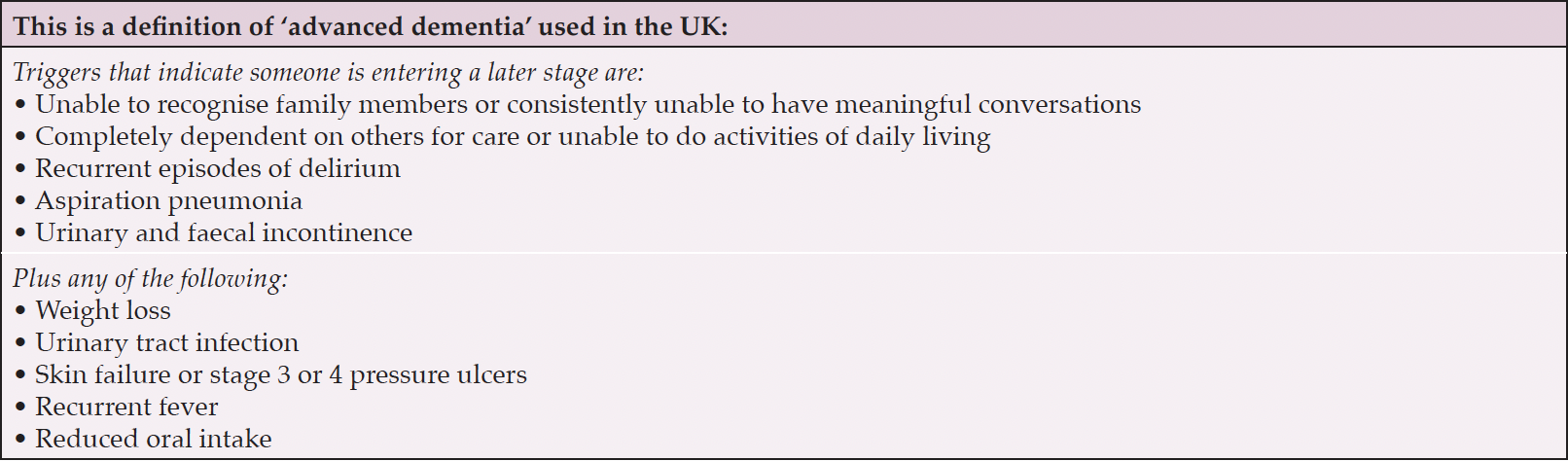
Table 1. Definition used in the survey of advanced dementia
Adapted from Gold Standards Framework Proactive Identification Guidance (7th edition, 2022) (19)
Development and pre-testing
A draft survey was developed by the researcher and shared with care home representatives and researchers. Questions were refined and improved in response. Once online, the survey was shared with selected care home managers, known to the research team, to test completion and utility of the platform. Minor adjustments were made in response to their feedback before wider dissemination.
Recruitment
All registered adult care homes in Scotland were invited to participate. Care homes in Scotland are defined as: “Residential long-term care settings in which adults (of all ages) receive 24-hour care and support, this includes services with and without on-site registered nursing staff” (21). The sample was based on the Care Inspectorate list of regulated services, a publicly accessible dataset with care home contact e-mail addresses. The registered email invitation was for the care home manager. This was used to contact care homes sharing a short invitation to participate, explaining the rationale and the ask, with the completion link.
After the initial mass mailing, additional sharing was undertaken by the Enabling Research in Care Homes (ENRICH) Scotland team, using their ‘Research Ready’ database to promote the study and facilitate completion over the phone or visiting in person (if preferred to online data entry). Scottish Care (a sector representative membership body) also disseminated the study, sharing the link with members and promoting completion through webinars. Individual e-mails were also sent to existing professional contacts of the team to ask if they would complete the survey and/or share with their colleagues in other homes. Follow-up emails were sent to services which had not completed the survey, including specific geographical targeting in areas with a lack of responses. No links were shared on public websites or social media platforms, to reduce the risk of responses from those not directly employed in a regulated care home setting.
Survey administration
The survey was suitable for PC, mobile or tablet completion. Questions appeared over seven pages, with a progress bar at the top. Respondents could move backwards to review earlier answers, if desired. Questions were displayed in a consistent order for all participants. The number of questions per page varied between one and six. The survey is included in Appendix 1.
The data were linked to the Care Inspectorate Datastore of registered services (22). This minimised the reporting burden and enabled derivation of additional care home service-level variables. Completion was required to proceed for the following items: consent, role in care home, postcode, total number of residents, provision of nursing care and number of people living with advanced dementia. Formats were specified where a free text or numerical response was requested.
All responses were analysed. Where multiple responses were provided for the same care home, the most complete entry was selected for inclusion in the main analysis, at service level. Where services had not completed the question on how many people were living with advanced dementia, a follow-up email was sent to ask for this information, to improve completeness.
Results
The survey was online and accessible for completion over a twelve-week period from 22/1/2025-16/04/2025.
Denominator, response rate & completeness
Based on data from the Care Inspectorate, there were 1,003 registered adult care home services. Of these services, three were registered as inactive, two were cancelled and one replied to advise they were ceasing to operate as a service. This meant a total of 997 care home services were eligible, of which 760 (76.2%) were registered for older peoples’ care.
Three responses were entirely blank and 21 included a name, but no response to questions or care home identifiers, so these 24 ‘responses’ were not included in the analysis.
In total, the survey received 241 responses from 218 registered care home services. One manager provided a combined response for two linked services. Where multiple responses were received from the same service, 21 represented duplicate responses, and three services submitted three responses (most commonly from different staff members).
The 218 responses reflect a completion rate of 21.9% across all adult care home services. If only older peoples’ care home services are included, the 210 responses from older peoples’ care homes represent a completion rate of 27.6%. Responses were received from care home services in all 14 territorial NHS health board areas and all 32 council areas.
Of the 218 responses received, 12 (5.5%) were considered incomplete, as they did not include the number of people in their service living with advanced dementia.
Findings
Role
Most responses (83.0%) were completed by care home managers, with a further 5.0% from deputy managers. Senior care staff accounted for 1.4% of responses. Information relating to role was missing from 2.3%. A summary of roles of respondents is reported in Table 2.
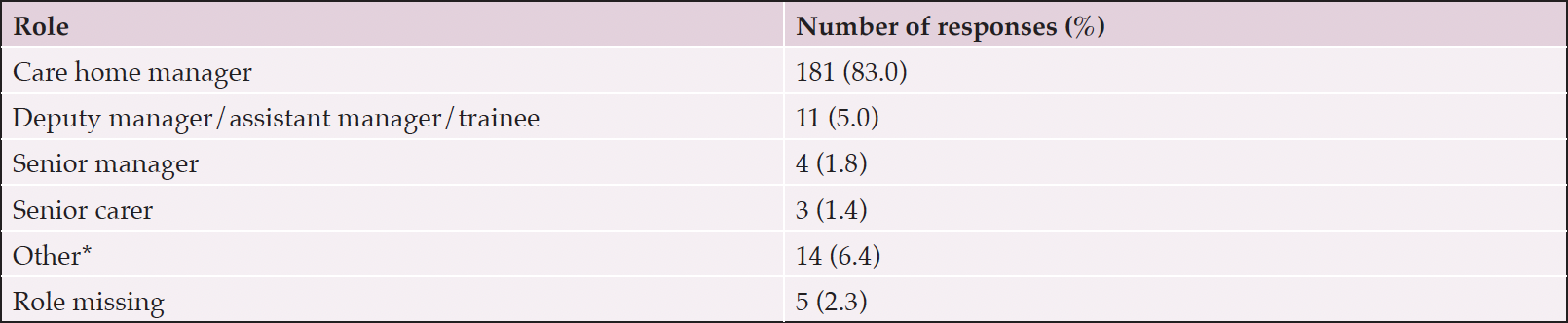
Table 2. Summary of the role of survey respondents
*Other includes administrator, CEO, director, education and dementia coordinator, nurse, nurse assessor, operations manager, owner, regional manager, team leader, team manager, training manager
Care home service characteristics
Table 3 compares the characteristics of survey respondents to non-responders (n=779) and non-responders in older peoples’ services (n=550). This comparison is provided because older peoples’ care home services dominate the responses to our survey, accounting for 96.3% of responses. Learning disability services are under-represented as a proportion of the sample, and one response was received from a respite and short breaks service. Newer care home services (operating under current registration for 1-5 years) are under-represented among respondents.
Responding care homes are of comparable size (based on total number of beds) with older peoples’ services. If all adult services are used as the reference, small homes (1-20 beds) are under-represented. Responses come from across the range of regulatory risk scores in a comparable distribution to non-respondents. Respondents were more likely to be in the least deprived areas than the most deprived areas, but the distribution of responding services is comparable to non-responders if older adult services are used as the reference category.
Supplementary Table 1 calculates the completeness of our sample (expressed as a percentage) in comparison to all adult care home services and older peoples’ services only. The service type (also known as the sector providing the care home service) shows comparable distribution of responses between respondents and non-responders in providing older peoples’ services. If all adult services are used as the reference, there is under-representation of voluntary/not for profit service providers. None of the 15 services provided by NHS health boards participated (all in NHS Highland).
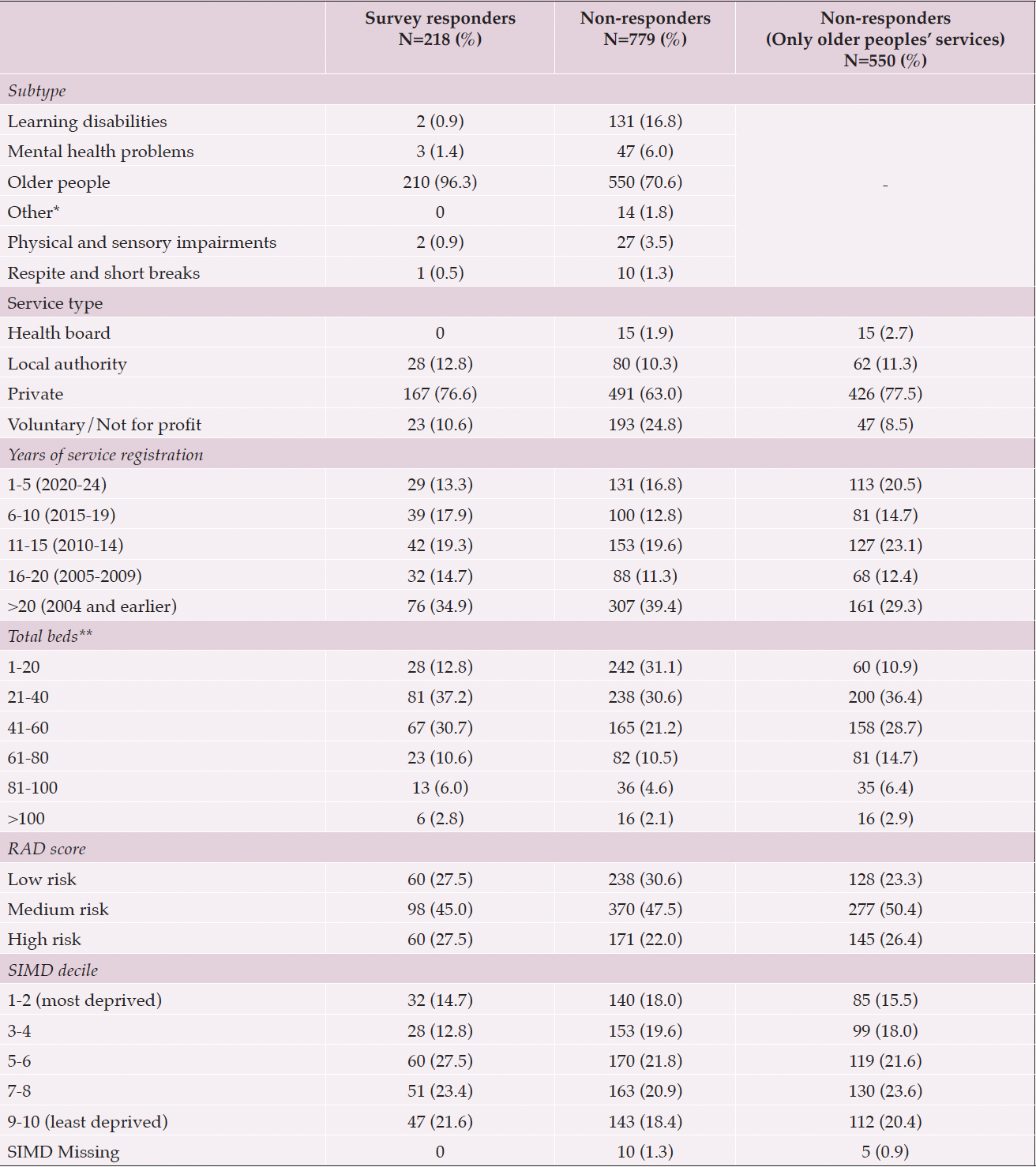
Table 3. Comparing care home service characteristics between responders, non-responders (all adult and older peoples’ services)
*Other includes care home services for people with alcohol & drug misuse & blood borne viruses; **For 27 newly registered services, number of beds not available so registered places used
Responses by geographical area
Care home services are not evenly distributed across geographical areas in Scotland. As such, interpreting the data needs to take this into account.
Care homes in all 14 territorial NHS health board areas submitted survey responses, ranging from one to 33, with an average of 15.5 responses per health board area. Table 4 summarises the completeness of responses by health board area as a percentage of all adult care home services and older peoples’ services only. The average completion across all health board areas was 23.3% of all adult care home services and 28.7% of older peoples’ services. The highest rate of completion was across NHS Lanarkshire, where 39.8% of all adult care home services and 50.8% of older peoples’ services responded. The lowest rate of completion was across NHS Highland where only 12.8% of all adult care home services and 15.6% of older peoples’ services responded. Figure 1 provides a graphical summary of the health board area completion rates. Supplementary Table 2 and Supplementary Figure 1 provides the breakdown of responses by council area (smaller area geography, at which social care services are provided) in table and map format.
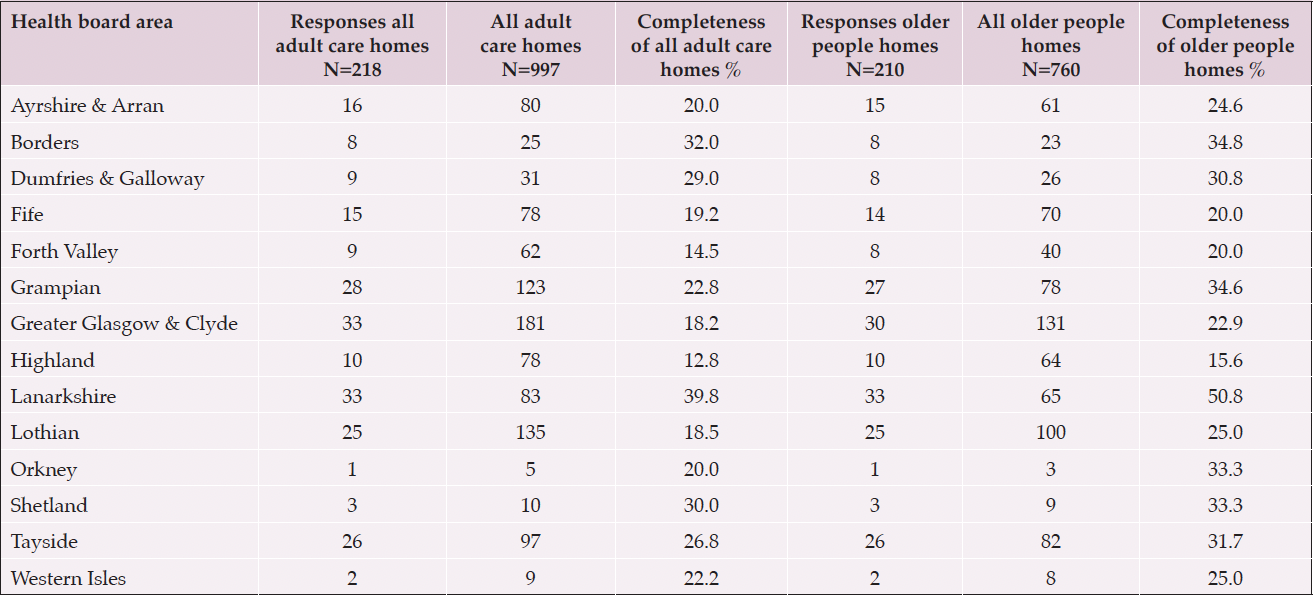
Table 4. Completeness of responses by health board area as a % of all adult care home services and older peoples’ services only
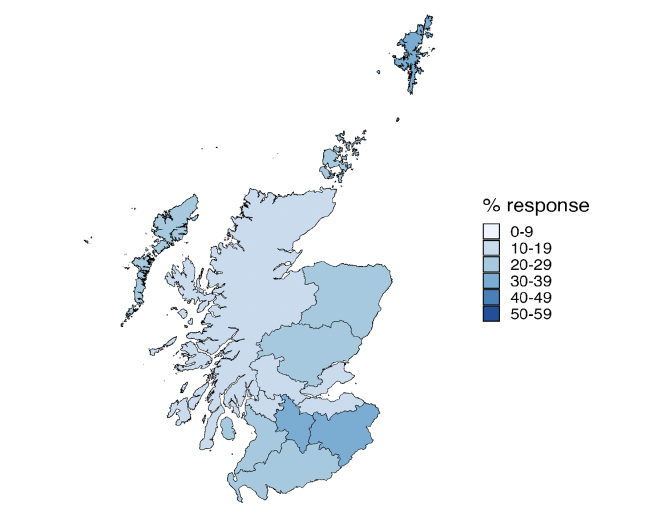
Figure 1A: Response rate by health board area – all adult care homes
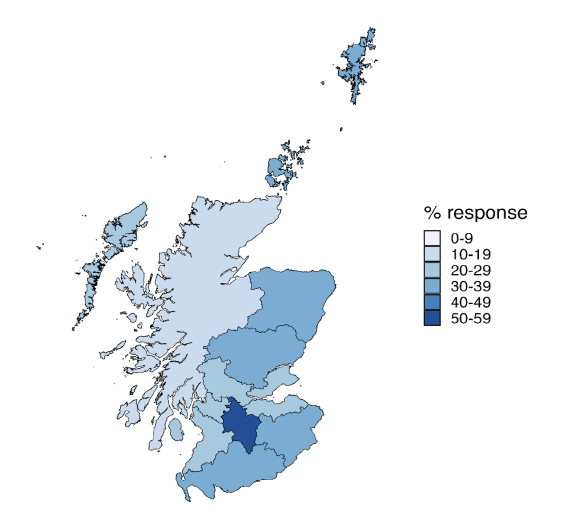
Figure 1B: Response rate by health board area – older peoples’ care homes
Nursing care and funding
Services were asked how nursing care was supported in their service. This reflected the Scottish regulatory position that there is no legal difference between a residential and nursing home (23) and that nursing care needs can be supported by visiting nursing staff models as well on-site registered nursing staff. In 116 services (53.2%), nursing care was provided by on-site nursing staff. A further 19 services (8.7%) described on-site nursing staff with visiting nursing staff. For 45 services (20.6%) nursing care was delivered only by visiting nursing staff (e.g. District Nurses, Advanced Nurse Practitioners, Hospital at Home teams) and in 36 services (16.5%) responses indicated nursing care was not available. Two responses (0.9%) were blank.
Dementia diagnosis
Of the 218 service responses, 80 (36.7%) agreed that everyone living with dementia in their home had a diagnosis. However, 134 respondents (61.5%) reported that this was not the case in their service with a further three (1.4%) unsure about diagnostic status and one (0.5%) blank response.
An additional free text question was included for those who responded no or unsure to explore the perceived importance of a diagnosis. Most (75.9%) felt it was important for the resident and/or for their family.
“Yes it is my opinion that every person has the right to a diagnosis.”
“A diagnosis can be important for resident and their relative to accept the disease. As dementia still sits with a huge stigma around it, without a diagnosis it can be difficult to accept the fact that the person does have dementia.”
Some noted there was a need for caution around how a diagnosis was approached and the impact on the individual:
“I think you have to balance diagnostic interventions with causing potential stress/distress.”
Others felt there were more fundamental information needs which care homes had, than a single diagnosis:
“An accurate PMH (past medical history) is more relevant than a stand-alone dementia diagnosis in managing our residents.”
Some respondents described the difficulties faced in accessing a diagnosis for residents, leaving them feeling the outcome would make little difference to the individual:
“No, as in one instance we have waited nearly 18 months for a psychiatrist to evaluate a resident. The confirmation is immaterial at this point.”
Advanced dementia
We asked what the term ‘advanced dementia’ means to those completing the survey. Thereafter, respondents were shown the survey definition (Table 1) and asked how many people were living in their service with advanced dementia, applying this.
The number of people reported ranged from 0 to 96, an average of 17.6 people per service. The calculated prevalence of dementia, using the number of people respondents provided as living in the service at the time of completion ranged from 0-100%, with an average prevalence of 40.6% across all adult care home services (based on data from 206 care home services).
In older peoples’ services, the range of people living with advanced dementia was again 0 to 96, average 18.1 people per service. The calculated prevalence of dementia ranged from 0-100% with an average prevalence of 41.6% (based on data from 200 care home services).
From completed responses, there were 3,595 people reported to be living with advanced dementia in 200 older peoples’ services out of a total resident population of 8,460 people, giving a proportion of 42.5% (95% confidence interval of 41.4 to 43.6%). Using this calculated proportion of people living with advanced dementia in our older peoples’ service care home sample to estimate the total across older peoples’ services across Scotland, we estimate 14,826 people living in older peoples’ care homes in Scotland are living with advanced dementia (95% confidence interval of between 14,442 to 15,209 people).
Due to the small number of responses for other care home subtypes, it is not possible to estimate the prevalence across these service types.
Receipt of free nursing care funding from the HSCP
Of those living with advanced dementia, 90 (41.3%) services reported that all individuals receive nursing care allowance funding. For 85 (39.0%) services, it was not the case that residents with advanced dementia received nursing care allowance (reasons included that the service only provides residential care). In 28 (12.8%) services, the respondent was unsure if all residents with advanced dementia receive nursing care funding, indicating that survey respondents did not always have access to financial information about resident funding provided by the HSCP. There were 14 (6.4%) missing responses.
Responses by geographical area
In general, most respondents felt the definition aligned with their professional experience caring for people with dementia and was helpful in identifying people with advanced disease.
“I feel this is a true representation of those affected and how we care for them.”
“Perfectly well. Captures what people live with exactly.”
Others described that while they agreed with the definition, they felt it was also important to emphasise the individual’s experience, beyond the criteria specified.
“Yes, I agree with this definition although obviously everyone has different experiences with dementia.”
“It outlines some things to expect within advanced dementia however, people are individuals and the best course to know what effects [sic] individual people is to simply spend time with them.“
Some highlighted that aspects were missing, particularly around symptoms of stress and distress and walking with purpose.
“The definition does not recognise all of the features of someone living with dementia.”
“yes [sic] – though it is a larger picture including challenging behaviours, higher risk of falls etc.”
“I would also have added walking without purpose as someone who has more advanced dementia before as a sign of advanced dementia.”
Finally, several respondents highlighted issues around the recognition of advanced dementia and the support which they feel residents should have, which is not always provided through needs assessments (e.g. for nursing care).
“……I’d also question whether the definition makes any changes to the care provided which is usually symptoms led rather than illness led.”
“It is useful and would be useful for social workers to have this definition when we appeal an upgrade to nursing care for our residents.”
These topics were explored further in a follow-up qualitative interview study.
Discussion
Findings in context
This work formally quantifies the scale of the population of older adults living in care homes in Scotland with advanced dementia. It adapted and tested a way of defining the condition that is recognisable and acceptable to care home staff, using information accessible to them. The wider responses highlight important areas of inequity around access to a dementia diagnosis and funding resources. Inconsistencies in healthcare support, including the provision of dementia support, are recognised across Scotland (24, 25). Delayed diagnosis among those living in long-term care settings have been recognised internationally (26, 27). This extends to more frequent use of dementia ‘not otherwise specified’ rather than more specific subtypes (27).
Internationally, exploring dementia among people in long-term care is a priority. Previous meta-analysis identified a global prevalence estimate of 53% (95%CI 46-59%) (28). Countries with embedded systems for collating high-quality data across settings, using infrastructure such as the Inter-RAI (resident assessment instrument) are well-positioned to generate epidemiological data and evidence following interventions (29-32). While others are reliant on the use of survey methodologies to enable comparable insights (33).
Care homes can provide critical insights into the needs of the residents they support, including through the collation and submission of routinely collected data about dementia (34) Routinely collected data can be used to support epidemiological research into dementia, however it is recognised that there are important biases associated with the estimates derived depending on the data source use (e.g. hospitalisations, prescribing, mortality) (34-36).
Care home data was included in the first national Dementia Index, produced by Public Health Scotland, to address the gap in national epidemiological data about this critical condition (34). There has been wider-UK interest in making more effective use of care home collected data, using digital care records software (37). However, further work is needed to capitalise on the valuable data collected about people living in care homes in a standardised and consistent way.
Strengths and limitations
There were low levels of missing data across the survey, with all missing variables accounted-for in the outputs. This survey benefits from returns from all geographies across Scotland, from all sectors providing care home services and represents a good rate of completion for survey research. However, care services in NHS Highland are under-represented compared to other areas. The responding sample appear to be comparable in terms of service characteristics with non-responding older peoples’ services. However, care homes registered for people with Learning Disabilities are under-represented. Our population estimates are therefore reserved for Older Adult care home services only, to acknowledge this limitation.
Implications for practice and research
These data provide powerful evidence about the scale of population and need for care and support across care homes in Scotland. It raises important challenges around access to diagnosis, post-diagnostic care and ongoing support for people living with dementia. It highlights important inequities in care provision and funding support, which need to be addressed. Scotland can learn from other countries around how to ensure the visibility of this population can be more sustainably achieved as a platform for evaluating interventions to improve care and support, developing the evidence-base for caring for a population with complex needs.
Acknowledgements: Survey dissemination was kindly supported by the Scottish Care National Team and Independent Sector Leads, through webinars and promotion of survey information and link to members. With thanks to the ENRICH Scotland team for their time sharing the opportunity with Research Ready Care Homes and supporting their participation through calls and visits. Finally, thanks to all care home staff who took time to complete the survey.
Funding: This research was funded by Alzheimer Scotland (Scottish charity number: SC022315). The funders approved the survey questions but played no part in the conduct of the research, analysis or interpretation of the findings.
Authorship/CRediT contribution statement: JKB conceived the study, obtained ethical approval, led on analysis and drafted the paper. MD and TJQ provided specialist input to design the questions, advise on dissemination strategies and provided input to the interpretation of findings and drafting of the paper. DH provided data visualisations and input to the drafting of the paper. All authors approved the submitted manuscript.
Competing interests: None of the authors have any conflicts of interest to declare
Declaration of the use of generative AI and AI-assisted technologies in scientific writing and in figures, images and artwork: No AI was used in this research or the production of the paper
Ethical considerations: Ethical approval was provided by the University of Glasgow College of Medical, Veterinary and Life Sciences Ethics Committee (Project: 200240158).
Consent to participate: A participant information sheet, privacy notice and consent form were provided within the Qualtrics platform for participants to review. Confirmation of individual consent to participate was confirmed through statement of name and role at the outset of the survey.
Data availability: The data generated and analysed in this study are survey responses which could identify research participants. In accordance with the ethical approval for the study granted by the University of Glasgow, they will not be made publicly available.
Open Access: This article is distributed under the terms of the Creative Commons Attribution 4.0 International License (http://creativecommons.org/licenses/by/4.0/), which permits use, duplication, adaptation, distribution and reproduction in any medium or format, as long as you give appropriate credit to the original author(s) and the source, provide a link to the Creative Commons license and indicate if changes were made.
References
1. Scottish Government, COSLA. Dementia in Scotland: Everyone’s Story2023 [cited 2023 13th December]: Available from: https://www.gov.scot/binaries/content/documents/govscot/publications/strategy-plan/2023/05/new-dementia-strategy-scotland-everyones-story/documents/dementia-scotland-everyones-story/dementia-scotland-everyones-story/govscot%3Adocument/dementia-scotland-everyones-story.pdf.
2. Hughes C, Berg L, Danziger W, Coben L, Martin R. A new clinical scale for the staging of dementia. British Journal of Psychiatry. 1982;140:566–72.
3. Reisberg B, Ferris SH, Franssen E. An ordinal functional assessment tool for Alzheimer’s-type dementia. Hospital & Community Psychiatry. 1985;36(6):593–5.
4. Harrison KL, Hunt LJ, Ritchie CS, Yaffe K. Dying With Dementia: Underrecognized and Stigmatized. J Am Geriatr Soc. 2019;67(8):1548–51.
5. Sampson EL, Candy B, Davis S, Gola AB, Harrington J, King M, et al. Living and dying with advanced dementia: A prospective cohort study of symptoms, service use and care at the end of life. Palliative Medicine. 2017;32(3):668–81.
6. Yorganci E, Sleeman KE. Palliative care can benefit people with dementia. BMJ. 2023;380:p754.
7. Timmons S, Fox S, Drennan J, Guerin S, Kernohan WG. Palliative care for older people with dementia—we need a paradigm shift in our approach. Age and Ageing. 2022;51(3):afac066.
8. MacRae J, Ciminata G, Geue C, Lynch E, Shenkin S, Quinn T, et al. Mortality among long-term care residents: a retrospective cohort study using national linked social care and health data. BMJ supportive & palliative care. 2025;16(1):188–97.
9. National Records of Scotland. Deaths from Alzheimer’s disease and other dementias, 20232024 [cited 2024 6th September]: Available from: https://www.nrscotland.gov.uk/files//statistics/dementia-alzheimers/2023/dementia-and-alzheimers-deaths-23-report.pdf.
10. Houttekier D, Cohen J, Bilsen J, Addington-Hall J, Onwuteaka-Philipsen B, Deliens L. Place of Death of Older Persons with Dementia. A Study in Five European Countries. Journal of the American Geriatrics Society. 2010;58:751–6.
11. Honinx E, van Dop N, Smets T, Deliens L, Van Den Noortgate N, Froggatt K, et al. Dying in long-term care facilities in Europe: the PACE epidemiological study of deceased residents in six countries. BMC Public Health. 2019;19(1):1199.
12. Brown M, Sampson E, Jones L, Barron A. Prognostic indicators or 6-month mortality in elderly people with advanced dementia: A systematic review. Palliative Medicine. 2013;27(5):389–400.
13. West E, Mulligan L, Paudyal P, Quinn TJ, Burton JK. Determining six-month prognosis among people with dementia living in care homes: a systematic review of prognostic tools. Age and Ageing. 2026;55(4):afag087.
14. Alzheimer Scotland. Delivering Fair Dementia Care For People With Advanced Dementia2019 [cited 2024 5th October]: Available from: https://www.alzscot.org/sites/default/files/2019-07/McLeish_Report_updated_24.01.19_Web.pdf
15. Wittenberg R, Knapp M, Hu B, Comas-Herrera A, King D, Rehill A, et al. The costs of dementia in England. Int J Geriatr Psychiatry. 2019;34(7):1095–103.
16. Hanson E, Hellström A, Sandvide Å, Jackson GA, MacRae R, Waugh A, et al. The extended palliative phase of dementia – An integrative literature review. Dementia. 2019;18(1):108–34.
17. Eysenbach G. Improving the quality of Web surveys: the Checklist for Reporting Results of Internet E-Surveys (CHERRIES). Journal of Medical Internet Research. 2004;6(3):e34.
18. The Gold Standards Framework. About Us. London 2025; Available from: https://www.goldstandardsframework.org.uk/about-us.
19. The Gold Standards Framework. Proactive Identification Guidance (PIG)2022 [cited 2024 23rd October]: Available from: https://www.goldstandardsframework.org.uk/proactive-identification-guidance-pig.
20. Hanratty B, Wolters AT, Towers AM, Spilsbury K, Meyer J, Killett A, et al. Data Collection in Care Homes for Older Adults: A National Survey in England. Journal of Long-Term Care. 2023:288–96.
21. Burton JK, Lynch E, Love S, Rintoul J, Starr JM, Shenkin SD. Who lives in Scotland’s care homes? Descriptive analysis using routinely collected social care data 2012-16. The journal of the Royal College of Physicians of Edinburgh. 2019;49(1):12–22.
22. Care Inspectorate. Datastore. 2020; Available from: https://www.careinspectorate.com/index.php/publications-statistics/93-public/datastore.
23. Care Inspectorate. Care homes for adults. 2015 [cited 2019 18th January]; Available from: http://www.careinspectorate.com/index.php/care-homes-for-adults.
24. Scottish Government. My Health – My Care – My Home: Healthcare framework for adults living in care homes.2022 [cited 2023 8th February]: Available from: https://www.gov.scot/binaries/content/documents/govscot/publications/advice-and-guidance/2022/06/health-care-home-healthcare-framework-adults-living-care-homes/documents/healthcare-framework-adults-living-care-homes-health-care-home/healthcare-framework-adults-living-care-homes-health-care-home/govscot%3Adocument/healthcare-framework-adults-living-care-homes-health-care-home.pdf.
25. Burton J, Stirland L, Russ T, Quinn T. Exploring delivery of dementia post diagnostic support (PDS) for people living in care homes in Scotland: a survey of healthcare staff and PDS providers. Journal of Nursing Home Research. 2026;12:16–23.
26. Bartfay E, Bartfay WJ, Gorey KM. Dementia care in Ontario, Canada: evidence of more timely diagnosis among persons with dementia receiving care at home compared with residential facilities. Public health. 2016 Jan;130:6–12.
27. Lethin C, Rahm Hallberg I, Renom Guiteras A, Verbeek H, Saks K, Stolt M, et al. Prevalence of dementia diagnoses not otherwise specified in eight European countries: a cross-sectional cohort study. BMC Geriatr. 2019 Jun 24;19(1):172.
28. Fagundes DF, Costa MT, Alves BBdS, Benício MMS, Vieira LP, Carneiro LSF, et al. Prevalence of dementia in long-term care institutions: a meta-analysis. Jornal Brasileiro de Psiquiatria. 2021;70.
29. Mofina A, Meehan B, James ML, Berg K. The Use of interRAI Scales Across Healthcare Settings: Building a Bridge Between Evidence and Practice. Healthcare Management Forum. 2026;39(2):149–58.
30. Song X, Low H, Kelly R, McDermid R. Frailty and dementia in long-term care: An analysis of the InterRAI data over the past decade. Alzheimer’s & Dementia. 2021;17(S3):e049471.
31. Chan CY, Chau PYK, Yeoh E-k, Wong ELY. Impact of additional community services provision on dementia caregiver burden: an interrupted time-series analysis of 12-year interRAI assessments in Hong Kong. BMJ Open. 2022;12(11):e057221.
32. Onder G, Carpenter I, Finne-Soveri H, Gindin J, Frijters D, Henrard JC, et al. Assessment of nursing home residents in Europe: the Services and Health for Elderly in Long TERm care (SHELTER) study. BMC Health Services Research. 2012;12(1):5.
33. Kao YH, Hsu CC, Yang YH. A Nationwide Survey of Dementia Prevalence in Long-Term Care Facilities in Taiwan. J Clin Med. 2022;11(6).
34. Mavromati K, Drelciuc M, Lynch E, Hay SA, Hanlon P, Quinn TJ, et al. Dementia data for people living in care homes: cross-sectoral national data linkage study of care home, healthcare and administrative data sources. Int J Popul Data Sci. 2026;11(1):3359.
35. Mullin DS, Stirland LE, Buchanan E, Convery CA, Cox SR, Deary IJ, et al. Identifying dementia using medical data linkage in a longitudinal cohort study: Lothian Birth Cohort 1936. BMC Psychiatry. 2023;23(1):303.
36. Sibbett RA, Russ TC, Deary IJ, Starr JM. Dementia ascertainment using existing data in UK longitudinal and cohort studies: a systematic review of methodology. BMC Psychiatry. 2017;17(1):239.
37. Gordon AL, Rand S, Crellin E, Allan S, Tracey F, De Corte K, et al. Piloting a minimum data set for older people living in care homes in England: a developmental study. Age and Ageing. 2025;54(1):afaf001.
The Author(s) 2026