
J.K. Burton1,2, L.E. Stirland3,4,5, T.C. Russ3,6, T.J Quinn1,7
1. Academic Geriatric Medicine, School of Cardiovascular and Metabolic Health, University of Glasgow, Scotland; 2. Medicine for the Older Adult, NHS Lanarkshire, Scotland; 3. Old Age Psychiatry, NHS Lothian, Scotland; 4. Institute for Neuroscience and Cardiovascular Research, University of Edinburgh, Scotland; 5. Global Brain Health Institute, University of California San Francisco, USA; 6. Alzheimer Scotland Dementia Research Centre, University of Edinburgh, Scotland; 7. Older Peoples’ and Stroke Services, NHS Greater Glasgow and Clyde, Scotland
Corresponding Author: Dr Jennifer Kirsty Burton, Academic Geriatric Medicine, School of Cardiovascular and Metabolic Health, University of Glasgow, Scotland, jenni.burton@glasgow.ac.uk
Jour Nursing Home Res 2026;12:16-23
Published online May 19, 2026, http://dx.doi.org/10.14283/jnhrs.2026.3
Abstract
BACKGROUND: Post Diagnostic Support (PDS) after a diagnosis of dementia is a Scottish Government commitment. However, people living in care homes face barriers accessing existing PDS services.
OBJECTIVES: To map where post diagnostic support (PDS) is available to people living in care homes and establish professional perspectives on service provision.
DESIGN: A targeted online national survey was undertaken, including fixed response questions and free-text.
PARTICIPANTS: Healthcare professionals who refer people for PDS and those who provide PDS services across Scotland.
RESULTS: Over a ten-week period, 62 complete responses were received, 54.8% from PDS providers. Only eight (26.7%) geographical areas provide PDS to people living in care homes. Dementia is under-diagnosed and lack of support contributes toward this diagnostic gap. Current contracts for PDS delivery often explicitly exclude providing support for care homes. PDS requires adaptation for the care home population including to account for disease stage.
CONCLUSIONS: People living in care homes face inequitable access to PDS and wider dementia supports, with significant geographical differences in availability of statutory and voluntary services. There is a need for collaborative co-design to develop and evaluate tailored PDS to help close the diagnostic gap.
Key words: Dementia, diagnosis, care home, post-diagnostic support, survey.
Introduction
Improving access to diagnosis and support for people with dementia is an international priority (1, 2). Despite this more than a third of those living with dementia do not have a diagnosis (3). One aspect which can influence diagnosis is the availability of support (4). Tailored support after being diagnosed with dementia, commonly known as post diagnostic support (PDS) (5), is recognised to be helpful for people affected by dementia (6-8). PDS is an area of unmet need globally (9).
Scotland has had a model for PDS provision for more than a decade, using the Alzheimer Scotland Five Pillar Model (10). There is a Scottish Government commitment guaranteeing access to a year of PDS for everyone diagnosed with dementia, with an accompanying national target (11). However, despite this, not everyone who is diagnosed is currently able to access PDS, particularly people living in care homes.
Widening access to PDS has been identified as an important area for developing research to inform practice in policy documents. This includes the most recent National Dementia Strategy (12), the Healthcare Framework for Care Homes (13) and the updated Scottish Intercollegiate Guideline Network (SIGN) dementia guidelines (14, 15). There is also growing recognition that PDS is not a one-off event delivered after diagnosis, but that there is a need for tailored support throughout the dementia journey (15, 16). Recent research undertaken in England (17) has evaluated Primary Care led PDS, although this work recruited those living elsewhere in the community, excluding those in care homes.
To gather a more informed picture of current practice and variation, we conducted a survey of Community Mental Health Teams, voluntary sector providers of PDS, and clinicians who refer to these services to explore PDS provision for people living in care homes across Scotland.
The aims of this survey were to:
(1) Enable mapping of where PDS services are available to people living in care homes and what PDS service is provided
(2) Describe other NHS (National Health Service) or third-sector services available to support people living in care homes who have symptoms related to dementia
(3) Establish professional perspectives on current service provision
Methods
Design
A short online survey was developed and shared with NHS and voluntary/third sector staff (working for the national dementia charity, Alzheimer Scotland) referring for and providing post-diagnostic support services. Findings have been reported using the Checklist for Reporting Results of Internet E-Surveys (CHERRIES) (18).
Study setting & population
‘Care home’ is the inclusive term used in Scotland to describe 24-hour residential care facilities in which adults live and receive care and support, including services with and without on-site registered nurses (19). Most care home residents are older adults with complex health and care needs (20). This survey focused on access for people living in care homes to PDS services.
Approval and consent process
Ethical approval was provided by the University of Glasgow College of Medical, Veterinary and Life Sciences Ethics Committee (Project: 200240316). All participants had access to participant information, privacy notice, and consent form documents embedded through the Qualtrics platform (https://qualtrics.com). Confirmation of individual informed consent was requested by providing the participant’s name. A Data Protection Privacy Impact Assessment was undertaken to ensure adequate assessment and mitigation of risk around personal data collection and storage. Only the lead researcher had access to identifiable data.
Development and pre-testing
A draft survey was developed by the lead researcher and shared with the team involving clinical and research expertise in geriatric medicine and old age psychiatry. The draft was also shared with the HIS Focus on Dementia team for advice and input, as organisational interest-holders who have undertaken prior research into PDS access. Questions were refined and improved in response to feedback and additional clarity provided on confidentiality in responses. Once online, the survey was shared with clinical colleagues to test completion and utility of the platform. No additional adjustments were made before wider dissemination.
Recruitment process
The aim was to invite both those who refer for PDS support for people living in care homes (e.g. old age psychiatry teams, older adult clinicians) and those who provide PDS (e.g. Community Mental Health Teams, Alzheimer Scotland Link Workers) to participate. Dissemination involved existing professional networks within the research team and were enhanced by support from the HIS PDS Leads group, Alzheimer Scotland, the Royal College of Psychiatrists in Scotland and British Geriatrics Society Scotland networks. Individuals were contacted individually and encouraged to share with relevant colleagues and through professional mailing lists from trusted contacts. A short survey invitation (Appendix 1) was shared by email to provide context, including the link to access study documents and participate. Individuals were asked to confirm consent using their name and role. These variables were not used in the formal analysis to protect participant privacy but enabled establishing the eligibility of all respondents to participate.
A follow-up reminder email was sent by organisational contacts or the lead researcher highlighting the study end date. No links were shared on public websites or platforms including social media, to reduce the risk of responses from those not directly employed in the provision of or referral for dementia PDS in Scotland.
Survey administration
The survey was suitable for desktop, mobile, or tablet completion. Questions appeared over three pages, with a progress bar at the top. Respondents could move backwards to review earlier answers if wished. Questions were displayed in a consistent order for all participants. The number of questions per page varied between one and four. Questions included a mixture of fixed response questions for key characteristics and additional prompts and free text response boxes to explore professional perspectives and experiences. Data items collected included:
• Role in post diagnostic support delivery (multiple choice)
• Employing organisation (multiple choice)
• Health and Social Care Partnership (HSCP) areas covered by service (multiple choice)
• Is dementia post diagnostic support available to people living in care homes in your area? (yes/no with free-text boxes to respond further)
• What NHS or third-sector services are available in your area to support people living in care homes who have symptoms related to dementia? (with free text boxes to provide further description)
• Do you have any comments or reflections on dementia post diagnostic support provision for people living in care homes in Scotland? (free-text response)
• Does your service have written information/resources which are given to people living in care homes or their family or professional carers? (including request for contact details to share copies of these resources if available)
A copy of the full survey questions is included in Appendix 2.
Free-text responses were extracted and analysed looking for shared concepts and diverging views from contributors. These were grouped together to summarise key areas raised by participants which should influence service development.
Results
Response rates
The survey was online and accessible for completion over a ten-week period from 11 June to 20 August 2025. In total, 80 responses were received. Three of these were entirely blank and one response did not fulfil the criteria for informed consent confirmation, resulting in four responses (5.0%) being removed for incompleteness. It is difficult to accurately estimate the size of the population receiving the survey invitation, based on multiple routes of dissemination and professional sharing.
Of the remaining 76 valid responses, 14 responses (18.4%) only included the first page of the questionnaire (role, organisation and HSCP area) without providing responses on the core questions around provision of PDS services for people living in care homes. Therefore, the complete sample for study inclusion is 62 responses. These participants took an average of 16 minutes to complete the survey (range: 3 to 157 minutes). Summary characteristics for the 76 participants are provided in Appendix 3.
Sample characteristics
Those providing PDS services accounted for the largest group of responses (48.4%) followed by 41.9% referring for PDS services, 6.4% from individuals fulfilling both roles and 3.2% providing care home support (Table 1). The largest number of responses came from individuals employed by NHS Scotland health boards (43.5%) followed by those employed by Alzheimer Scotland (27.4%) and those in Community Mental Health Teams (14.5%) with other employment arrangements summarised in Table 1.
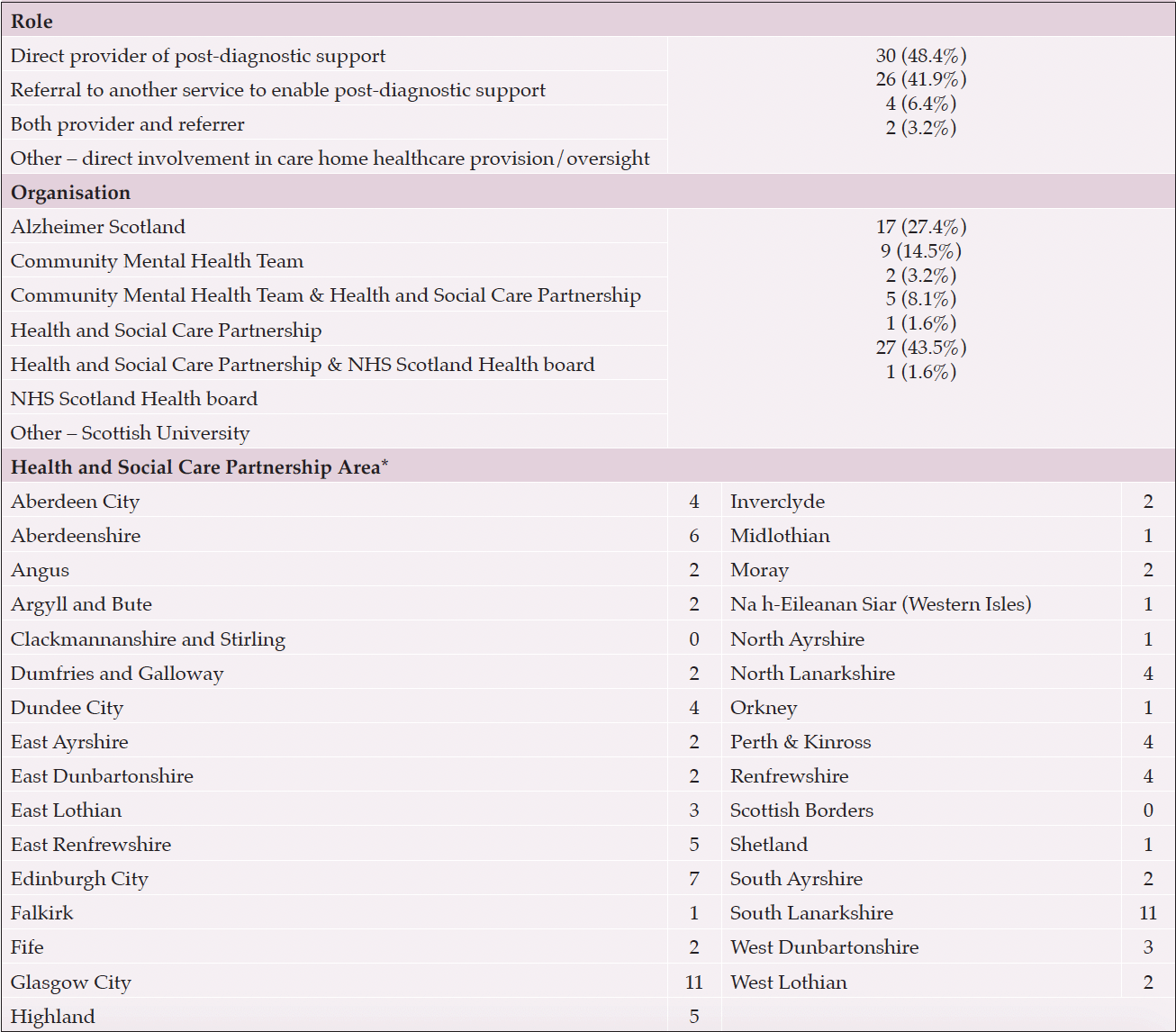
Table 1. Summarising the characteristics of respondents
Footnotes: * 13 participants worked in services in >1 HSCP area
Responses were received from individuals working across 30 of the 32 HSCP areas. No completed responses were received from Clackmannanshire & Stirling and Scottish Borders HSCPs. There were between one and eleven responses received per HSCP (mean three responses). Thirteen respondents worked in services covering more than one HSCP area.
Findings
Aim 1: Mapping where PDS services are available and what service is provided
Most (n=41, 66.1%) responded that PDS was not available for individual living in care homes in their areas. A further four responses (6.5%) were uncertain. Of the remainder, ten (16.1%) clearly described PDS provision for people in care homes and a further six responses (9.7%) indicated provision was available but described selective access or uncertainties in delivery. One respondent (who refers for PDS) indicated provision was available, but this contradicted professionals directly involved in PDS delivery in those HSCPs.
The eight HSCP areas where care home PDS is provided were: Aberdeen City, Aberdeenshire, Angus, Dundee City, Falkirk, Na h-Eileanan Siar, Perth & Kinross, and Renfrewshire. Based on the 30 HSCPs with data included in the survey, 26.7% of HSCP areas provide PDS for people living in care homes. Details on the PDS provided in each area are summarised in Table 2. Varying approaches to support were described: either through use of the Alzheimer Scotland Eight Pillar or Advanced Practice model, (21) with delivery being through local care home teams (rather than community link workers), or where support is provided primarily to family members.
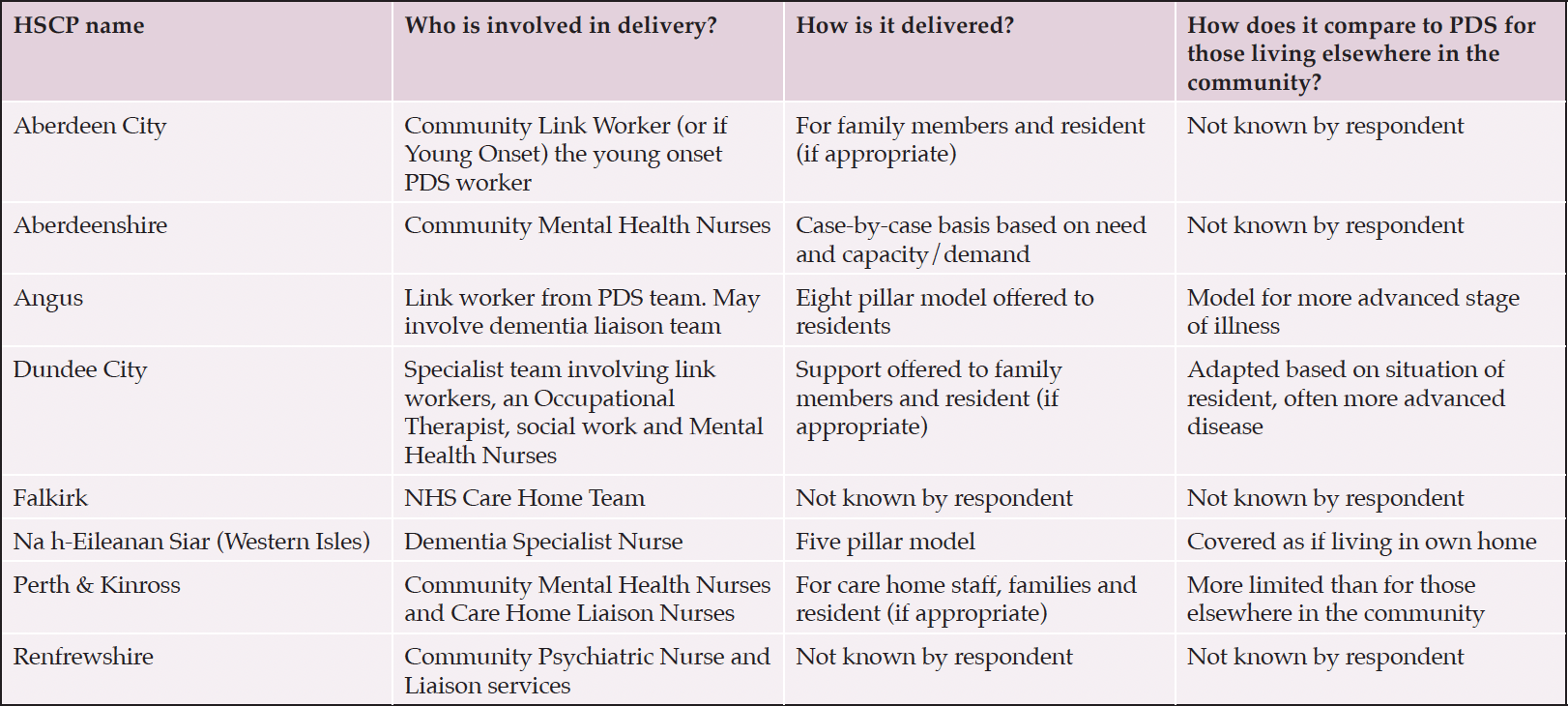
Table 2. Areas providing PDS for people living in care homes and the service provided
Aim 2: Describe other NHS or third-sector services available to support people living in care homes who have symptoms related to dementia and what services are needed
Fifty-six respondents shared a summary of local services which are summarised in Table 3. Twenty-nine respondents shared the services which they felt would be helpful. These included: care home liaison team (Edinburgh City), dementia specialist nurses, access to older adult CMHT services, access to Alzheimer Scotland services, support for care home staff (including access to training), support and education for family carers, services delivering the Eight Pillar model/other Advanced Practice models, coordination including involvement of social work, Dementia Friends or advisors, and services providing advice and support for General Practitioners.
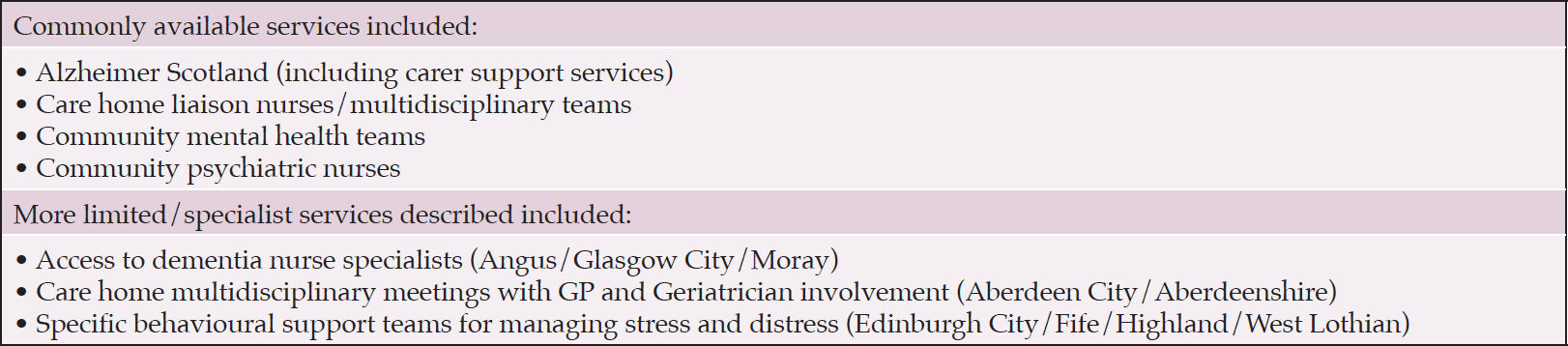
Table 3. Existing NHS and Third Sector Services available to support people in care homes
Six respondents explicitly stated that developing and providing PDS services for people living in care homes was a gap in current service provision which they felt needed to be closed.
In 45% of responses, participants indicated they had written information or resources which are given to people living in care homes or their family or professional carers. These were largely those produced by Alzheimer Scotland or Age Scotland and not care home-specific, but some reported tailored information being available from care home liaison teams.
Aim 3: Establish professional perspectives on current service provision
Responses around current service provision broadly covered five areas (Figure 1). Illustrative quotations are presented for each to explore the current clinical practice context and delivery of services.
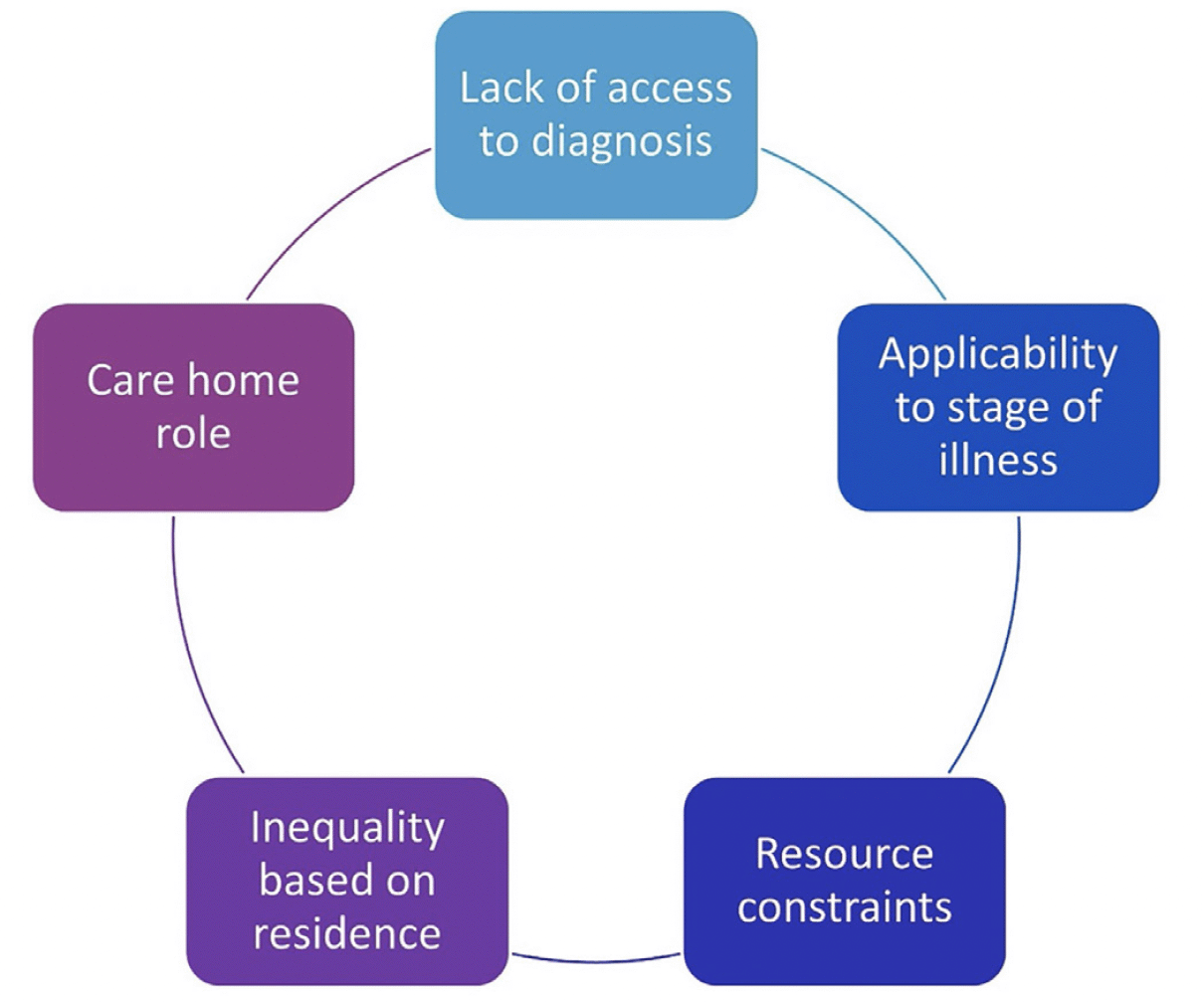
Figure 1. Graphical summary of key themes in survey responses about current PDS provision for people living in care homes
(1) Lack of access to diagnosis
The underpinning problem of lack of access to a dementia diagnosis is a challenge which proceeds the lack of access to PDS:
“don’t feel post diagnostic support happens to those in care homes as they do not seem to get a dementia diagnosis”
(2) Applicability of the existing model to stage of illness
Responses indicated that those living in care homes may be at a more advanced stage of dementia and thus concerns were raised about their ability to engage with the components of the Five Pillar model and even with receiving the diagnosis itself. There was recognition of the need to avoid causing distress and a role for family members in gatekeeping professionals’ visits. However, responses consistently highlighted the value in providing support for caregivers:
“…. people with dementia living in care homes are diagnosed at a later stage of their illness, and so are not as able to engage with the support offered. Our work with care home residents is predominantly by way of carer support”
Others highlighted the opportunity to provide support for care home staff, as primary caregivers. Ultimately many responses indicated that there was a need to develop a specific model of support for this population and their caregivers, rather than just increasing delivery of a community-focused model.
(3) Resource constraints
The current practice context of long waiting lists, lack of financial resources, and local commissioning arrangements provided an explanation for the lack of access, with specific contract exceptions often in place excluding those living in care homes. Some respondents considered PDS was thus a scarce resource and argued that those living elsewhere in the community should be prioritised:
“There are often delays accessing PDS and I would prioritise those patients that are earlier in the course of their illness”
“overall, given the current financial situation I suspect this would not be the best use of funds”
Some also noted a sense of futility contributing to decisions about providing lesser formal support within the care home population, with a need to be persuaded of the contribution it would make.
(4) Inequality based on residence
Many of those contributing felt the current service provision resulted in inequalities which were unjustified and inconsistent with national policy commitments:
“People in care homes should not be excluded from receiving PDS just because they are not living in the community”
Not providing this support was felt to represent a missed opportunity, again particularly for caregivers:
“…patients and families (particularly families) are entitled to this support as per the Scottish Government. It can make a big difference to family’s ability to support their relatives”
(5) Care home role
Some respondents felt there was no need for PDS to be provided to care home residents as individuals’ needs should be met by care home staff:
“in the care home setting all needs are already met in respect of health and socially”
Others felt that care home staff could be responsible for providing PDS to residents, provided they were given additional support:
“Expertise regarding dementia could sit within a care home and a similar model of support to PDS could be provided in some form to residents. I feel staff should be empowered, given time and trained to provide this support”
Key challenges specific to those in care homes including managing deteriorating health and future care planning were identified as areas where a care home specific approach could be beneficial.
Discussion
Findings in context
This survey quantifies the inequitable access faced by people living in care homes to PDS and wider dementia support services. It highlights significant regional variation in access and provision and the impact of funding and commissioning decisions at local and national levels. There is also uncertainty among practitioners referring for PDS support around what is available and how/who provides this. Where PDS is being delivered in care homes, it is being adapted from the usual approach taken for those living in elsewhere in the community, with a greater emphasis on more advanced illness and engagement and support of family caregivers.
However, for the vast majority of people living in care homes in Scotland, there is no access to dementia PDS. This is despite recognition that dementia is the commonest cause of death among people living in care homes (22) and nearly two-thirds of people dying from dementia in Scotland do so in care homes (23). Projections highlight a growing need for care homes to support those living with and dying from dementia (24). Thus, providing adequate support for those living in care homes and those who care for them, professionally and personally, deserves greater priority.
Prior research undertaken by Healthcare Improvement Scotland (HIS) identified variation around PDS provision including whether support is available to people living in care homes (25). This work is limited by incomplete responses, so summary data are not provided by Health and Social Care Partnership (HSCP) area (25). PDS access has also been recognised as difficult among those living in remote and rural areas across Scotland (26).
It has been estimated that a third of people living with dementia in care homes do not have a diagnosis (27, 28). Lack of access to appropriate PDS may contribute to the lack of incentive to address the diagnostic gap. This issue is recognised across the UK, with recent development of an approach to enable a pragmatic approach to assessment and diagnosis, attuned to the care home setting (29, 30). This has not yet been applied or tested in Scotland.
The existing Five Pillar Model provided in the community in Scotland is designed to help improve understanding of the condition and manage symptoms, support community connections, provide peer support, and assist planning for future decision-making and care (10). The reflection of practitioners that such existing PDS may not be suited to delivery for people living in care homes aligns with wider engagement undertaken with care home staff, who felt the process required adaptation to involve both family carers and care home staff in order that PDS has a meaningful impact on the individuals’ care plan and support.
Care homes play a critical role in supporting people with dementia (31). However, for them to be responsible for providing PDS would require dedicated resources and collaboration with NHS services to ensure consistent delivery across a diverse sector and to avoid perpetuating existing inequalities (32).
Strengths and limitations
This short survey had good engagement from the professionals involved in referring for and providing dementia PDS services. Although missing data resulted in a smaller sample size (reduced by 18.4%), those completing provided valuable and often detailed professional insights.
The summary of services provided is based on information reported by respondents and may be incomplete based on local knowledge. However, as the survey was promoted with HIS PDS Leads, any area with a care home service had the opportunity to participate and describe their service.
The largest numbers of HSCPs responses are from Glasgow City and South Lanarkshire, which reflect professional networks of the authors. Only two of 32 HSCP areas are unrepresented in the findings (Clackmannanshire and Stirling and Scottish Borders). However, all island HSCP areas are represented.
It is not possible to accurately estimate the denominator due to multiple routes of survey dissemination. We acknowledge that those participating may be motivated by the topic and some responder bias is possible. However, would also note the candour of responses shared and reflections on service commissioning, provision and access. Our aim was to map the current service provision in Scotland and believe the data largely achieve this within the limits of the methodology.
Implications for practice and research
There is an independent evaluation ongoing at present around Dementia PDS uptake and delivery (33), reflecting a commitment made in the Dementia Strategy Delivery Plan (34). This is likely to make recommendations around improving PDS inclusion and we would anticipate provision for people living in care homes to be identified as a critical gap.
The variation in access to services reflects wider concerns about equitable healthcare support (35, 36). Further work is needed on how best to meet the healthcare needs of people living in care homes with dementia.
Supported by this survey and building on initial engagement with care home staff, care providers and members of the public a programme of participatory research is planned to develop and evaluate a model of PDS for people living in care homes.
Acknowledgements: With thanks to the Healthcare Improvement Scotland Focus on Dementia team for their advice on survey design and the opportunity to present at the national PDS Leads Meeting (June 2025) to promote the survey. Survey dissemination was also facilitated through the HIS PDS Leads Mailing List, Alzheimer Scotland, the Royal College of Psychiatrists in Scotland, and through British Geriatrics Society Scotland networks.
Funding: JKB is supported by an NHS Education for Scotland/Chief Scientist Office Postdoctoral Clinical Lectureship (PCL/21/01). The funders had no role in the design or conduct of this study.
Authorship / CRediT authorship contribution statement: JKB conceived the study, obtained ethical approval, led on analysis and drafted the paper. LES, TCR and TJQ provided specialist input to design the questions, advise on dissemination strategies and provide input to the interpretation of findings and drafting of the paper. All authors approved the submitted manuscript.
Competing interests: The authors have no conflicts of interest to declare.
Declaration of the use of generative AI and AI-assisted technologies in scientific writing and in figures, images and artwork: No AI was used in this research or the production of the paper
Ethical considerations: Ethical approval was provided by the University of Glasgow College of Medical, Veterinary and Life Sciences Ethics Committee (Project: 200240316).
Consent to participate: A participant information sheet, privacy notice and consent form were provided within the Qualtrics platform for participants to review. Confirmation of individual consent to participate was confirmed through statement of name and role at the outset of the survey.
Data availability: The data generated and analysed in this study are survey responses which could identify research participants. In accordance with the ethical approval for the study granted by the University of Glasgow, they will not be made publicly available.
Open Access: This article is distributed under the terms of the Creative Commons Attribution 4.0 International License (http://creativecommons.org/licenses/by/4.0/), which permits use, duplication, adaptation, distribution and reproduction in any medium or format, as long as you give appropriate credit to the original author(s) and the source, provide a link to the Creative Commons license and indicate if changes were made.
References
1. Waldemar G, Phung KTT, Burns A, Georges J, Hansen FR, Iliffe S, et al. Access to diagnostic evaluation and treatment for dementia in Europe. International Journal of Geriatric Psychiatry. 2007;22(1):47–54.
2. Parker M, Barlow S, Hoe J, Aitken L. Persistent barriers and facilitators to seeking help for a dementia diagnosis: a systematic review of 30 years of the perspectives of carers and people with dementia. International psychogeriatrics. 2020;32(5):611–34.
3. International Longevity Centre UK. Living better with dementia through care and support: it’s not rocket science2025 [cited 2025 7th September]. Available from: https://ilcuk.org.uk/wp-content/uploads/2025/06/ILC-living-better-with-dementia-factpack.pdf.
4. O’Shea E, Keogh F, Heneghan C. Post-Diagnostic Support for People with Dementia and their Carers2018 [cited 2025 7th September]. Available from: http://hdl.handle.net/10147/623091.
5. Alzheimer Scotland. Post diagnostic support 2025 [cited 2025 7th September]. Available from: https://www.alzscot.org/about-us/care/post-diagnostic-support/.
6. Bamford C, Wheatley A, Brunskill G, Booi L, Allan L, Banerjee S, et al. Key components of post-diagnostic support for people with dementia and their carers: A qualitative study. PLoS One. 2021;16(12):e0260506.
7. Frost R, Walters K, Aw S, Brunskill G, Wilcock J, Robinson L, et al. Effectiveness of different post-diagnostic dementia care models delivered by primary care: a systematic review. British Journal of General Practice. 2020;70(695):e434–e41.
8. Kelly F, Innes A. Facilitating independence: The benefits of a post-diagnostic support project for people with dementia. Dementia. 2016;15(2):162–80.
9. Koh WQ, Roes M, de Vugt M, Sezgin D, Gonçalves-Pereira M, Müller N, et al. What are the unmet needs in people affected by dementia? A scoping review of reviews. Aging and Mental Health. 2025:1–20.
10. Alzheimer Scotland. Accessing post diagnostic support 2023 [Available from: https://www.alzscot.org/pds.
11. Scottish Government. NHS Scotland performance against LDP standards 2022 [Available from: https://www.gov.scot/publications/nhsscotland-performance-against-ldp-standards/pages/dementia-post-diagnostic-support/.
12. Scottish Government, COSLA. Dementia in Scotland: Everyone’s Story2023 [cited 2023 13th December]. Available from: https://www.gov.scot/binaries/content/documents/govscot/publications/strategy-plan/2023/05/new-dementia-strategy-scotland-everyones-story/documents/dementia-scotland-everyones-story/dementia-scotland-everyones-story/govscot%3Adocument/dementia-scotland-everyones-story.pdf.
13. Scottish Government. My Health – My Care – My Home: Healthcare framework for adults living in care homes.2022 [cited 2023 8th February]. Available from: https://www.gov.scot/binaries/content/documents/govscot/publications/advice-and-guidance/2022/06/health-care-home-healthcare-framework-adults-living-care-homes/documents/healthcare-framework-adults-living-care-homes-health-care-home/healthcare-framework-adults-living-care-homes-health-care-home/govscot%3Adocument/healthcare-framework-adults-living-care-homes-health-care-home.pdf.
14. Burton J, Soiza R, Quinn T, on behalf of the SIGN 168 guideline development group. Guideline summary: assessment, diagnosis, care and support for people with dementia and their carers [Scottish Intercollegiate Guidelines Network SIGN Guideline 168]. Age and Ageing. 2024;53(7):afae147.
15. Scottish Intercollegiate Guidelines Network. Assessment, diagnosis, care and support for people with dementia and their carers (SIGN publication no. 168)2023 [cited 2023 6th December]. Available from: https://www.sign.ac.uk/media/2157/sign-168-dementia.pdf.
16. Alzheimer’s Society. Left to Cope Alone: The unmet support needs after a dementia diagnosis2022 [cited 2024 11th October]. Available from: https://www.alzheimers.org.uk/about-us/policy-and-influencing/left-cope-alone-unmet-support-needs-after-dementia-diagnosis.
17. Griffiths S, Spencer E, Flanagan K, O’Keeffe A, Hunter R, Wiegand M, et al. Evaluating a model of best practice in primary care led post-diagnostic dementia care: feasibility and acceptability findings from the PriDem study. BMJ Open. 2024;14(7):e083175.
18. Eysenbach G. Improving the quality of Web surveys: the Checklist for Reporting Results of Internet E-Surveys (CHERRIES). Journal of Medical Internet Research. 2004;6(3):e34.
19. Public Services Reform (Scotland) Act 2010: Schedule 12, (2010).
20. Burton JK, Lynch E, Love S, Rintoul J, Starr JM, Shenkin SD. Who lives in Scotland’s care homes? Descriptive analysis using routinely collected social care data 2012-16. The journal of the Royal College of Physicians of Edinburgh. 2019;49(1):12–22.
21. Alzheimer Scotland. Advanced Dementia Practice Model2015 [cited 2025 25th October]. Available from: https://www.alzscot.org/wp-content/uploads/2025/08/AlzScot_Advanced_Dementia_Practice_Model_Report.pdf.
22. MacRae J, Ciminata G, Geue C, Lynch E, Shenkin S, Quinn T, et al. Mortality among long-term care residents: a retrospective cohort study using national linked social care and health data. BMJ supportive & palliative care. 2025;16(1):188–97.
23. National Records of Scotland. Deaths from Alzheimer’s disease and other dementias, 20232024 [cited 2024 6th September]. Available from: https://www.nrscotland.gov.uk/files//statistics/dementia-alzheimers/2023/dementia-and-alzheimers-deaths-23-report.pdf.
24. Finucane AM, Bone AE, Evans CJ, Gomes B, Meade R, Higginson IJ, et al. The impact of population ageing on end-of-life care in Scotland: projections of place of death and recommendations for future service provision. BMC Palliative Care. 2019;18(1):112.
25. Healthcare Improvement Scotland. Dementia Diagnosis Clinics: A survey of the models throughout Scotland2023 [cited 2025 13th April]. Available from: https://www.ihub.scot/media/10233/dementia-diagnosis-clinics.pdf.
26. Innes A, Szymczynska P, Stark C. Dementia diagnosis and post-diagnostic support in Scottish rural communities: experiences of people with dementia and their families. Dementia. 2014;13(2):233–47.
27. Lithgow S, Jackson GA, Browne D. Estimating the prevalence of dementia: cognitive screening in Glasgow nursing homes. International Journal of Geriatric Psychiatry. 2012;27(8):785–91.
28. Burton J. Exploring advanced dementia in Scotland’s care homes: prevalence and understanding2025 [cited 2025 14th September]. Available from: https://www.alzscot.org/wp-content/uploads/2025/09/Exploring-advanced-dementia-in-Scotlands-care-homes_-prevalence-and-understanding_Summary-Report.pdf.
29. Yorkshire and Humber Strategic Clinical Network. DiADeM 2018 [cited 2025 14th September]. Available from: https://diadem.apperta.org/.
30. Aldridge Z, Ponnusamy K, Noble A, Collier P, Smith D. Dementia in care homes: increasing the diagnosis rate among undiagnosed residents. Nursing Older People. 2023:Online ahead of print.
31. Kupeli N, Leavey G, Harrington J, Lord K, King M, Nazareth I, et al. What are the barriers to care integration for those at the advanced stages of dementia living in care homes in the UK? Health care professional perspective. Dementia. 2016;17(2):164–79.
32. Gordon AL, Goodman C, Davies SL, Dening T, Gage H, Meyer J, et al. Optimal healthcare delivery to care homes in the UK: a realist evaluation of what supports effective working to improve healthcare outcomes. Age and Ageing. 2018;Available online 5/1/18.
33. GOV.UK. Contract Independent Evaluation of Scotland’s Dementia Post-Diagnostic Support: Scottish Government; 2025 [cited 10th September 2025]. Available from: https://www.find-tender.service.gov.uk/Notice/019994-2025.
34. Scottish Government, COSLA. Dementia strategy: initial 2-year delivery plan – 2024 to 20262024 [cited 2024 11th October]. Available from: https://www.gov.scot/publications/new-dementia-strategy-scotland-initial-2-year-delivery-plan-2024-2026/.
35. Iriss. Care Home Quality Assurance in COVID-192022 [cited 2025 25th October]. Available from: https://www.iriss.org.uk/sites/default/files/2022-09/iriss-chqa-visits-review-sept-2022.pdf.
36. Scottish Care. The Ingredients for Growth: Care providers experiences of regulation and oversight2021 [cited 2023 22nd March]. Available from: https://scottishcare.org/the-ingredient-for-growth-care-providers-experience-of-regulation-oversight/.
The Author(s) 2026